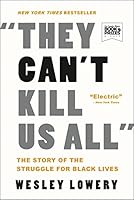
They Can’t Kill Us All
Metadata
Highlights
- Those who have studied the 1935 Harlem riot say that while the underlying issues in the neighborhood spoke to deep systemic inequality, it was the perceived disregard and devaluation of the black body, and of black life, that called forth the rage that enveloped the black men and women of Harlem on that day. (Location 449)
- At some point in high school, my best friends and I all had a running joke about “the talk,” which most of them had been given by a father or mother or some other relative. The underlying theme of this set of warnings passed down from black parents to their children is one of self-awareness: the people you encounter, especially the police, are likely willing to break your body, if only because they subconsciously view you not only as less than, but also as a threat. (Location 1114)
- The role of the press in the civil rights movement also points to our larger failure as a nation to validate and trust the black experience. Why did it take white reporters writing for white audiences to finally address the inequities that black communities had for decades been fighting? Was the lens of whiteness required for the nation to accurately recognize the black experience? (Location 2245)
- But the protest chants were never meant to assert the innocence of every slain black man and woman. The protests were an assertion of their humanity and a demand for a system of policing and justice that was transparent, equitable, and fair. (Location 2852)